
Chang-Guo Zhan
State-of-the-art computational drug design, discovery, and development: Challenges and opportunities

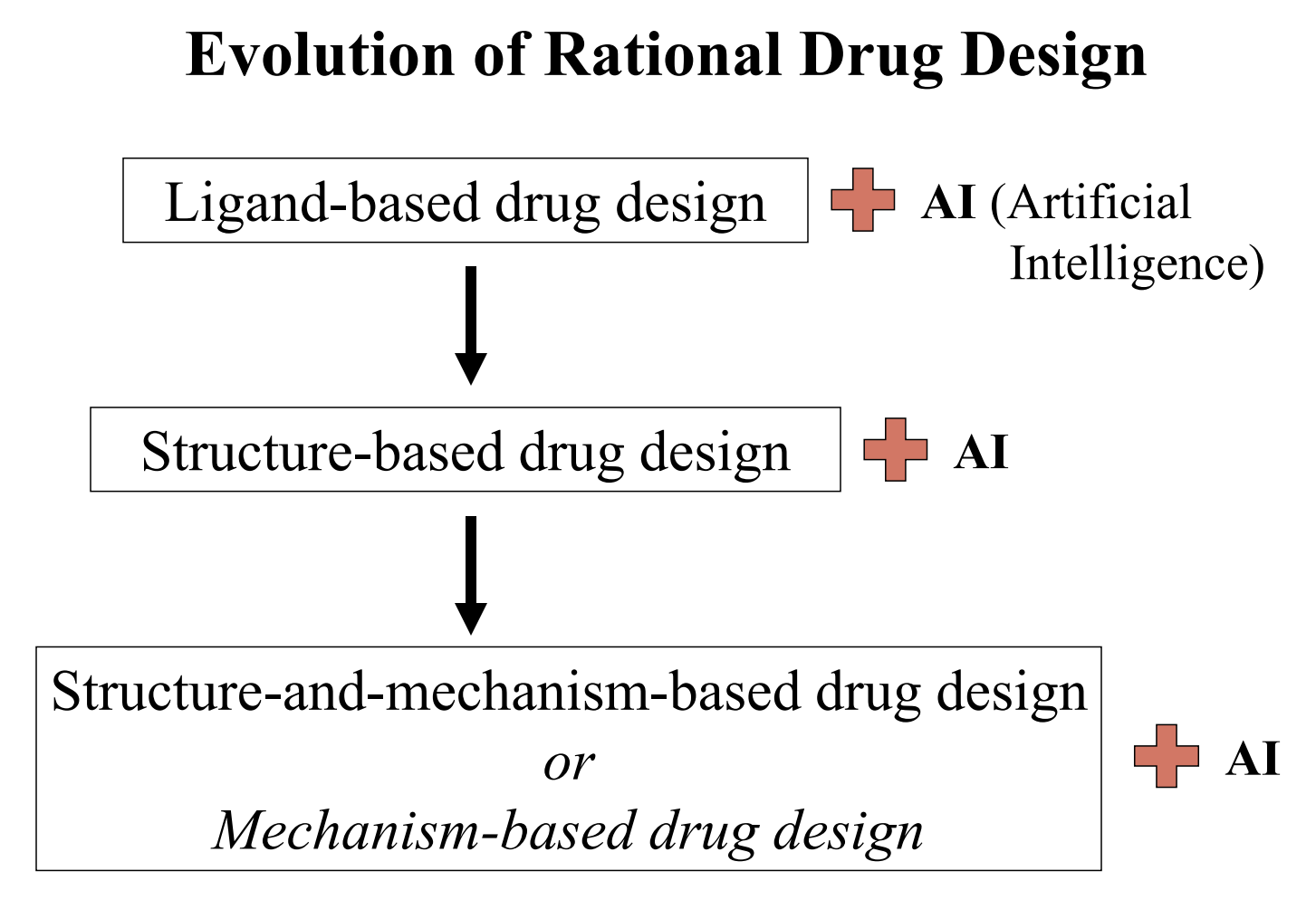
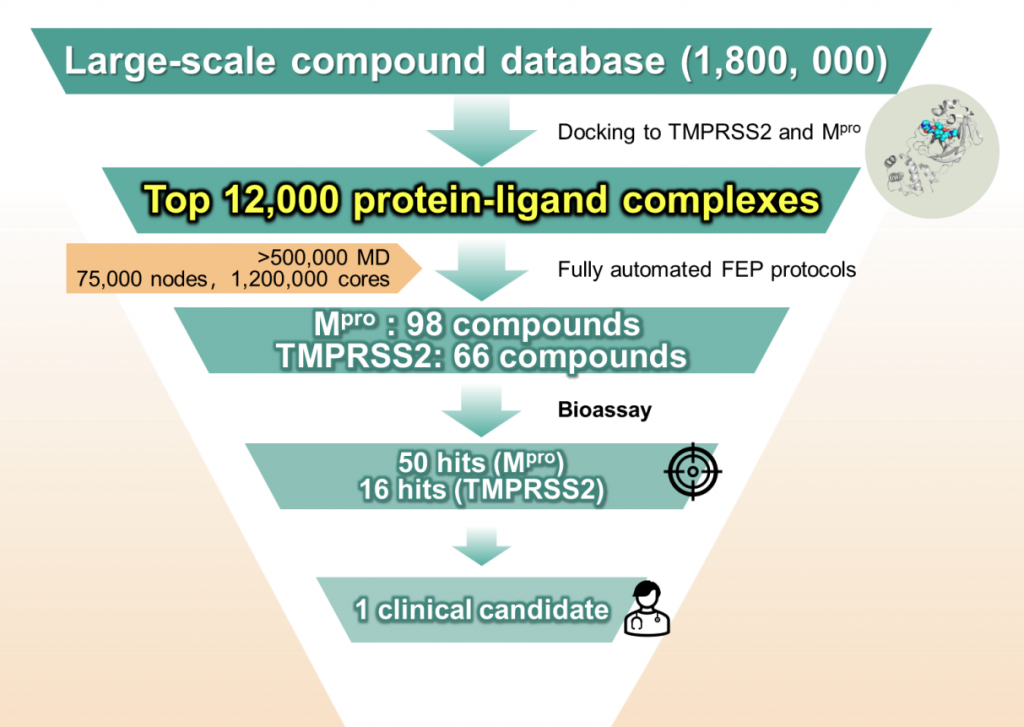
Discovery and development of a novel drug to meet an unmet medical need is generally an extremely long and very costly process. This process may be accelerated by performing state-of-the-art computational design in all phases of drug discovery and development. Computational drug design has been evolving from ligand-based drug design to structure-based drug design and further to mechanism-based drug design. All these computational drug design methods are further powered by artificial intelligence and machine learning. Overall, the accuracy and efficiency of state-of-the-art drug design rely on development of both computing power and computational algorithms. In this seminar, I will first briefly discuss the general strategies of high-performance supercomputing used in the state-of-the-art computational drug design, discovery, and development. I will also discuss the general trend of computational drug design and discovery through a specific example. Our computational drug design efforts, followed by extensive experimental tests, have resulted in exciting discovery and development of promising drug candidates, including multiple first-in-class drugs in clinical trials; one has received the Breakthrough Therapy Designation by the FDA.
Supported by grants from National Cancer Institute, National Science Foundation, Army Research Office, and more…